
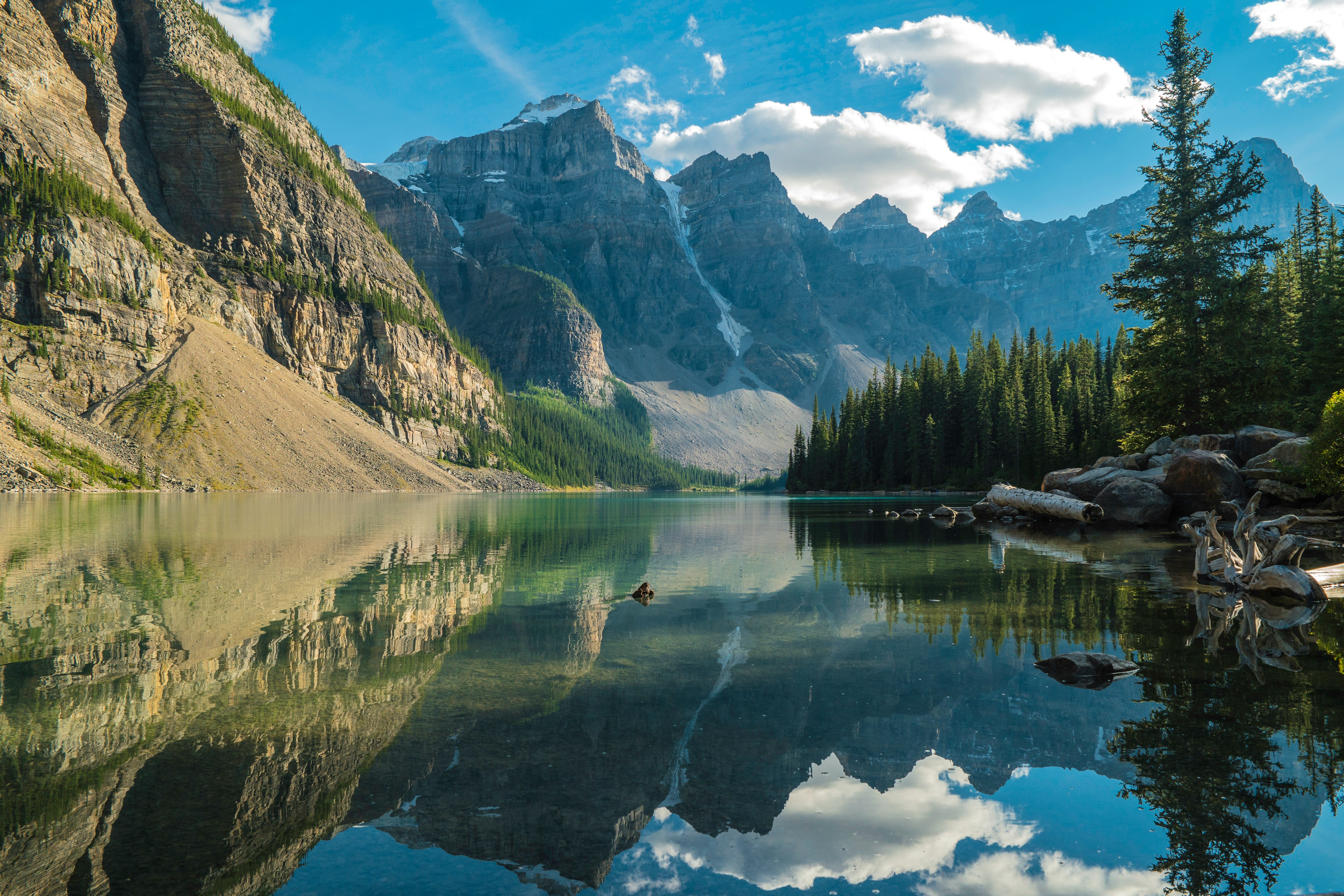
“The mind of a meditator is sometimes compared
to a mountain that remains unmoved in every wind.
It is not tormented by the difficulties that come its way,
nor elated by its successes. But this equanimity is
neither apathy nor indifference!
It is accompanied by an inner joy and an openness
of mind that expresses itself as an altruism that never falls short.”
Freely after Matthieu Ricard
I remember an afternoon when I came home from a bike ride in the rain. Not a dreary drizzle, but a real, solid downpour—the kind that soaks your clothes through and through and seems to rinse your thoughts clean at the same time. I stepped inside, changed, made coffee, and noticed something I found hard to name: I felt present. Not relieved to be indoors or sad that the ride was over, but simply present. Fully in the here and now.
It didn’t last long—a moment later I had picked up my phone, was typing a message, and was thinking about tomorrow. But for those few minutes, I had tasted something. I recognized what Matthieu Ricard describes as equanimity.
Before I read how Matthieu Ricard describes equanimity, it had always struck me as a slightly cold word. Equanimity sounds like “no emotions”—a certain greyness of experience, like a painting from which all the colors have been washed away. But that is precisely what it is not. The mountain does not stand motionless because it feels nothing or because it can switch off its feelings; it stands motionless because it is large enough to carry everything that passes without being blown over by it. The storm rages around it. The mountain is fully present within it—it feels the wind, and it is soaked by the rain. It does not lose itself in any of it and trusts completely that it will not be swept away.
“Happy for no reason”
Ricard writes that true equanimity is accompanied by inner joy. That gave me pause for a while. How can something that appears so still and motionless go hand in hand with joy? And yet it makes sense when you sit with it or when you have experienced it during meditation. The joy he means is not the exuberance of someone who has just received good news or the relief you sometimes feel after a tense moment. It is simply there. Always, really. Like light is simply there—without a reason to shine, but because it is the nature of light to shine.
Longing
I speak with many people about various forms of stress and its effects on their lives—and often about the physical symptoms that come with it. About the feeling of constantly having to balance on one foot, about how hard it is to relax without immediately feeling that you are completely falling apart or missing something important, or about the lack of understanding from those around them. Very often we arrive at a deeper longing—a wish for the stillness of doing nothing, for not having to be reactive, for a solid unperturbability, regardless of what is happening around you.
I think that longing is profoundly human. We have always searched for words for it: serenity, equanimity, inner peace—and so, too, composure. Ricard uses the metaphor of the mountain, and I find it very apt, because a mountain is nothing ethereal or elevated; it is earthy, heavy, and present. Perhaps there is something in that: equanimity has nothing of fleeing into abstraction or vagueness. It is, on the contrary, a radical being present—with both feet on the ground—while the world around you is in constant motion.
Simply be present for a moment
I sometimes think this is where meditative practice—in whatever form—ultimately moves toward. Not toward a state of lofty calm that separates you from the world. No, much more toward the freedom to stand right in the middle of it without being constantly swept along by the waves. There is something in you that does not sway with the tide. And from that place, you can be engaged with the world.
On that rainy afternoon, with my hands wrapped around a lovely cup of coffee, I was that, for a moment. Not enlightened, not freed from worries, and no different from my usual self. For a moment I was not pulled along by the current of the next thing and the thing after that, by the noise of the day. Just be present for a moment—like a mountain that lets the rain fall upon it without asking “why” or even “why me.”
And you?
Do you recognize moments in your life when you experience, perhaps just briefly, something of that mountain-like quality? Moments when you are not blown over, not swept away, but simply remain present? What makes those moments possible? And what pulls you out of them again?
If you found this article worth reading and (not yet) feel like getting a paid subscription, you can always treat me to a cappuccino!


